DRIFIRE T Shirt

This category gathers DRIFIRE FR T-shirts, from lightweight short sleeve tees to Class 3 hi-vis long sleeves. Compare protection rating, visibility class, sleeve length and fabric weight to match one shirt to your shift.

New FR T-shirt options to compare

Short sleeve compression FR T-shirt laid flat on a dark workbench

DRIFIRE® PRIME™ Soft Compression Short Sleeve Tee — FR-L2 Base Layer for Hot Shifts

Rated FR-L2, this short sleeve tee sits at the lighter end of the DRIFIRE range, where protection meets a compression fit that moves like athletic wear. The knit stretches without binding, and moisture-wicking fabric pulls sweat off skin so you stay dry under FR layers or on their own through a hot shift.
Long sleeve hi-vis FR T-shirt with lime body and reflective stripes on a gray backdrop

DRIFIRE® Strongknit™ FR Long Sleeve Hi-Vis T-Shirt Class 3 — CAT 2 Hi-Vis Tee for Roadside Crews

Class 3 hi-vis coverage in a long sleeve knit built for crews working beside moving equipment. The Strongknit fabric carries CAT 2 protection against arc flash while wicking moisture across the arm, so visibility does not come at the cost of comfort during long outdoor shifts.
Dual hazard long sleeve hi-vis FR T-shirt hanging on a hook against a pale wall

DRIFIRE® FR Hi-Vis Dual Hazard Long Sleeve T-Shirt Class 3 — CAT 2 Dual-Hazard Hi-Vis Tee

Dual-hazard protection is the reason to pick this shirt: it addresses both flash fire and arc flash under one CAT 2 rating, with Class 3 hi-vis for roadside work. Long sleeves add coverage down the arm, and the breathable weave keeps airflow moving when the day heats up.
Lightweight long sleeve hi-vis FR T-shirt folded on a light gray surface

DRIFIRE® Hyperlite FR Hi-Vis Long Sleeve T-Shirt Class 3 — CAT 2 Lightweight Hi-Vis Tee

The Hyperlite build targets weight. It keeps Class 3 visibility and CAT 2 protection while shedding bulk, which matters when a shirt has to be worn over a base layer for a full shift. Fast-drying fabric limits the damp, heavy feel that slows workers down.
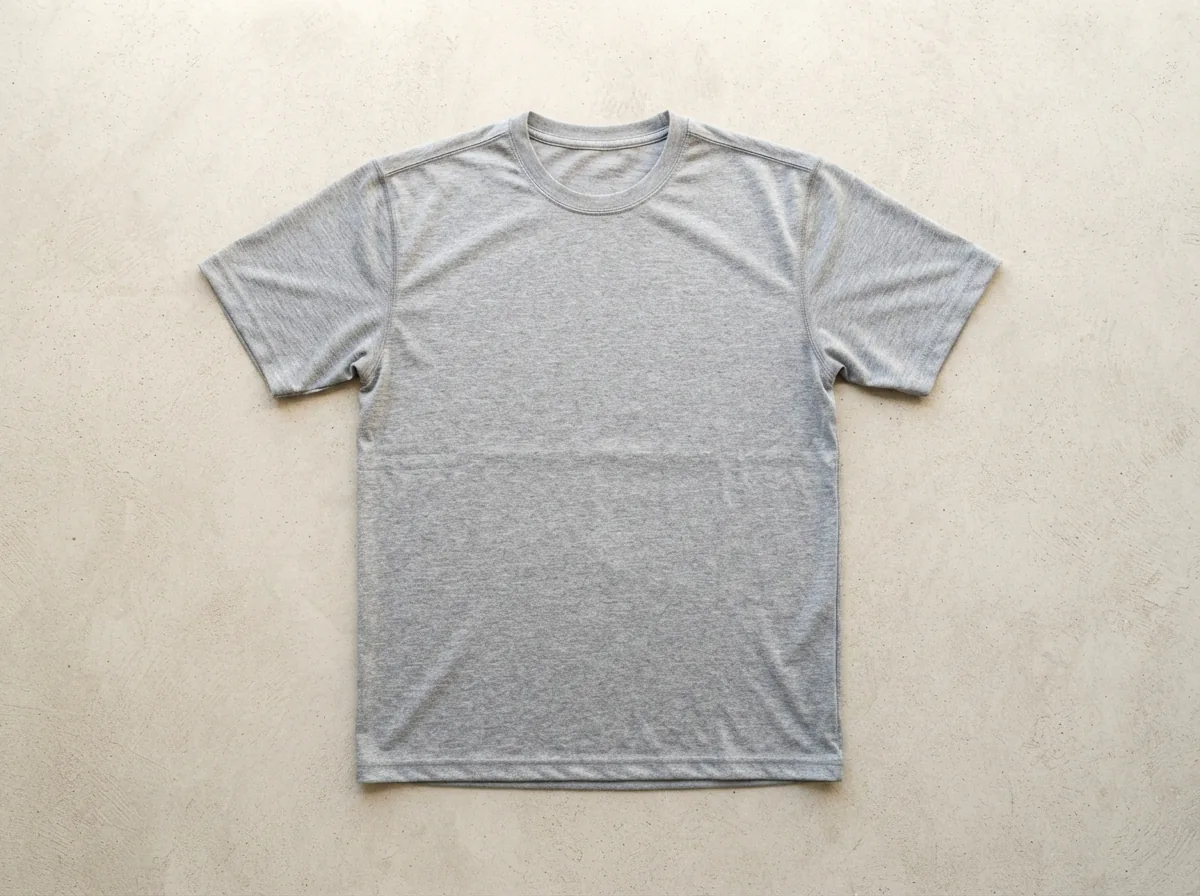
Lightweight short sleeve FR T-shirt with ribbed collar laid flat on pale concrete
Built for hot work

4.5 Cal/cm² Lightweight Short Sleeve Tee — Breathable Moisture-Wicking FR Comfort for Warm Workdays

Rated at 4.5 Cal/cm², this short sleeve tee gives lightweight protection where a heavier shirt is not required. The breathable fabric uses moisture-wicking technology to move sweat away from skin, a ribbed collar holds its shape wash after wash, and odor control helps between laundering. Made in USA.
Worn on the job

Proven FR tees for daily wear and layering

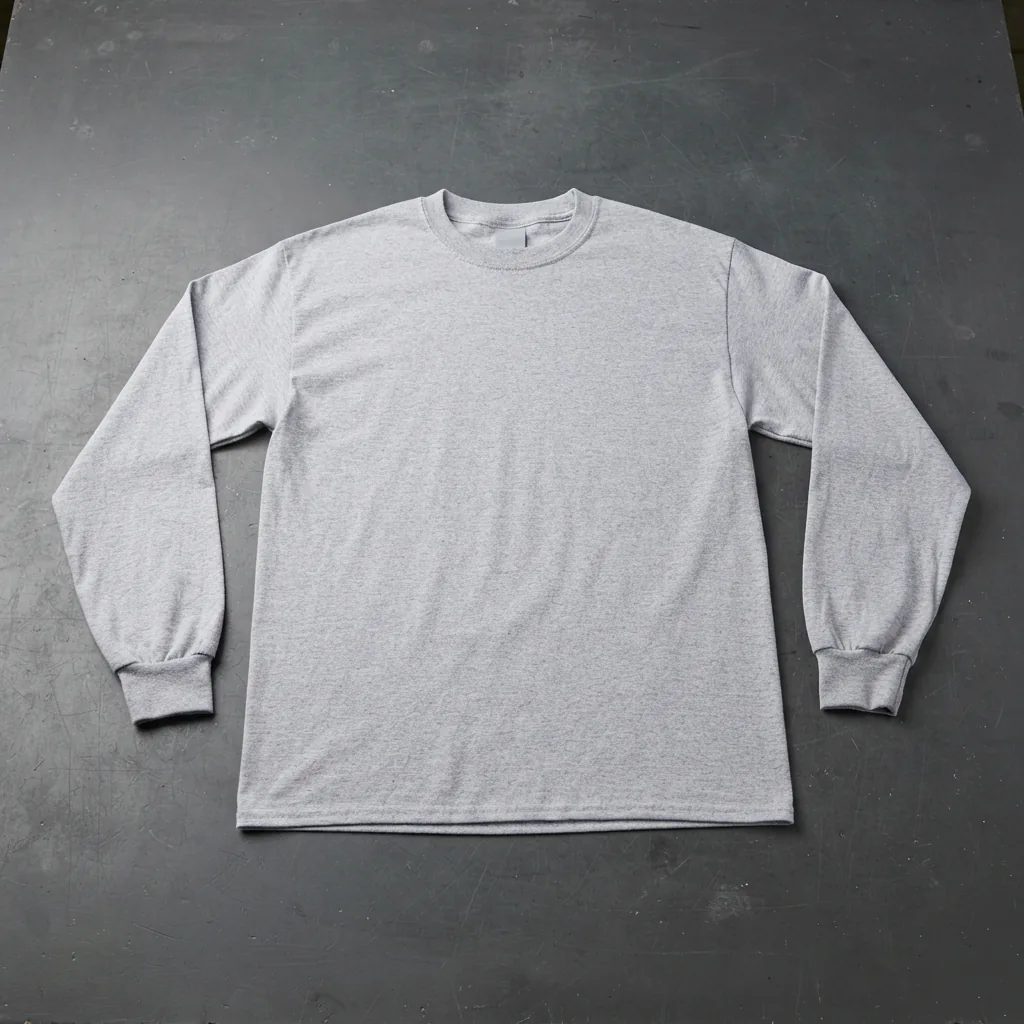
Long sleeve lightweight FR T-shirt laid flat on a dark bench showing collar and cuffs

4.5 Cal/cm² Lightweight Long Sleeve Tee — Full-Coverage Moisture-Wicking FR Layer

Full sleeve coverage at the same 4.5 Cal/cm² rating makes this the choice when arms need protection without extra weight. Moisture-wicking fabric keeps you drier through the shift, the ribbed collar maintains its shape, and odor control helps the shirt stay wearable longer. Made in USA.
Short sleeve FR crew neck work T-shirt displayed flat on a wooden workbench

DRIFIRE® FR Short Sleeve Crew Neck Work T-Shirt — Inherent FR for Daily Industrial Wear

Built for daily industrial wear, this crew neck tee is inherently flame resistant, so protection is in the fiber rather than a finish that washes out. Breathable fabric wicks moisture and dries fast in heat, and the ribbed crew collar holds its shape. Wear it alone or as a base layer under FR outerwear.
Long sleeve FR base layer crew tee folded on a locker room bench

DRIFIRE® FR Long Sleeve Base Layer Crew Tee — Athletic-Feel Layer Under FR Outerwear

This is the layer that sits next to skin. It performs like athletic wear, pulling sweat away with fast-drying fabric during demanding work, while still delivering flame-resistant protection. Flat construction layers cleanly under FR shirts and hoodies without bulk, so it stays comfortable under gear.
Short sleeve Class 2 hi-vis FR T-shirt with reflective stripes on a neutral backdrop

DRIFIRE® FR Hi-Vis Short Sleeve T-Shirt Class 2 — CAT 2 Visibility for Traffic Crews

Class 2 conspicuity for crews working near traffic and moving equipment, paired with flame resistance in the same short sleeve shirt. Lightweight fabric wicks moisture and dries quickly in warm conditions, and contrast paneling helps maintain visibility when light drops.
Long sleeve FR T-shirt with quarter-zip collar on a plain concrete surface

DRIFIRE® FR Quarter-Zip Long Sleeve T-Shirt — Adjustable Coverage for Changing Heat

A quarter-zip collar lets you manage heat without changing shirts. Zip up for coverage over the chest and neck, or open it when the temperature climbs. The inherently flame-resistant fabric wicks moisture, dries fast, and feels smooth against skin for all-day wear.

DRIFIRE® FR Short Sleeve Pocket T-Shirt — Chest Pocket for Pens, Badges and ID on Site

A chest pocket holds a pen, badge or small tool, which removes the need for a separate pouch on site. Inherent flame resistance pairs with breathable, moisture-wicking fabric that keeps you drier through long shifts in hazardous conditions, in a straight workmanlike fit.

Who this category serves on the job

Utility line crews

Utility lineman in a long sleeve FR T-shirt working at the base of a power pole
Arc-flash exposure on the line, met with CAT-rated shirts and long sleeve coverage.

Roadway work crews

Roadway worker in a Class 3 hi-vis FR long sleeve T-shirt beside traffic cones
Class 2 and Class 3 hi-vis keeps workers visible beside moving traffic and equipment.

Industrial shifts

Factory worker in a short sleeve FR T-shirt operating a machine on a plant floor
Inherently FR tees wick moisture and dry fast through long, hot factory shifts.

Base layer wearers

Worker pulling on a long sleeve FR base layer crew tee in a locker room
Flat, lightweight crews layer under FR shirts and hoodies without adding bulk.
Choosing with confidence

What to compare before you pick an FR tee

Protection rating, visibility class, sleeve length and fabric weight each change who a shirt suits. Compare them against your hazard exposure, climate and layering needs before you buy.

Match protection rating to hazard

CAT ratings and Cal/cm² values describe the arc-flash energy a fabric handles. Match the rating your task requires, since a heavier rating can feel warmer if the work runs hot.

Decide when hi-vis is required

Class 2 and Class 3 shirts add conspicuity for roadside and moving-equipment work. If your crew works near traffic, hi-vis belongs in the PPE plan rather than being an optional upgrade.

Choose sleeve length and layering

Short sleeves run cooler and work well on their own. Long sleeves and base layers add coverage and layer cleanly under FR outerwear when conditions or the hazard profile call for more.
Reading the range

Subtypes within the FR T-shirt range

The category splits by protection rating, visibility class and cut. Start with the rating your site requires, then narrow by hi-vis needs and how the shirt will be worn through a shift.

Lightweight basics

4.5 Cal short and long sleeve tees for warm days and lighter exposure.

Hi-vis long sleeve

Class 2 and Class 3 shirts for crews working beside traffic and equipment.

Base layer styles

Compression and base-layer crews that layer cleanly under FR outerwear.

What buyers notice after a shift

First-person accounts of shopping for and wearing FR T-shirts, covering fit, dry time and comfort through a shift. Experiences describe the category rather than one specific model.
Compared a few FR tees before restocking the van. The lighter fabric dried fast after a hot day, and the collar still sat flat after several washes.
Decorative customer review avatar icon 1
R. Delgado, crew lead
The hi-vis options were the deciding factor for our roadside crew. Visibility held up in low light, and the shirts stayed comfortable through a full shift.
Decorative customer review avatar icon 2
S. Whitfield
I wanted something I could wear as a base layer under my FR jacket. It layered without bunching, and I did not overheat when the afternoon turned warm.
Decorative customer review avatar icon 3
J. Okafor
Folded FR T-shirt and an open notebook on a site office table during a workwear review
Shopping for protection ratings online can be confusing. This category made it easy to compare CAT levels and pick what our task actually requires.
Decorative customer review avatar icon 4
A. Lindqvist
Breathability matters to my team in summer. The tees wicked sweat well and dried quickly, so nobody finished the day in a damp shirt.
Decorative customer review avatar icon 5
P. Moreau
The pocket option for a pen and badge was a small thing, but it means one less item to carry while still meeting our FR requirements.
Decorative customer review avatar icon 6
D. Hanley

Common questions about FR tees

Answers on protection ratings, hi-vis classes, sizing for layering and care. Read these before ordering so the shirt you pick matches the hazard and the shift.

Utility worker in a long sleeve hi-vis FR T-shirt reviewing a handheld meter beside a work truck
Industrial worker at a locker bench holding up a short sleeve FR T-shirt to inspect the fabric
Match the rating to the hazard assessment for your task. CAT ratings and Cal/cm² values describe arc-flash energy the fabric is rated to handle, so a safety manager can confirm what your site requires before you order.
Hi-vis classes apply when crews work near traffic or moving equipment and need to be seen. Class 2 and Class 3 differ in reflective surface area, so check your site visibility standard and choose the class it calls for.
Long sleeve crews and base layers are built to sit under FR shirts and hoodies, so they layer cleanly without much added room. Order your usual size for a base layer, and consider a roomier outer tee if heavy layers go over it.
Short sleeves keep the torso protected and run cooler in heat, while long sleeves add coverage down the arm. Choose short sleeve for warm conditions and lower arm exposure, and long sleeve when sparks, arc flash or sun are a factor.
Follow the manufacturer wash instructions and skip bleach or fabric softeners that can coat the fibers. Ribbed collars and odor-control finishes hold up better with proper laundering, which helps the shirt keep its shape and feel.
It moves sweat away from the skin so the fabric can dry faster, which reduces the clammy, heavy feeling that builds over hours in heat. That comfort matters when a shirt has to be worn for a full shift in hazardous conditions.
Keep exploring

More guidance for your next step

The related content below is loaded for this page and covers care, fit and protection topics around FR clothing. Open whichever entry matches the question you still have about this category.
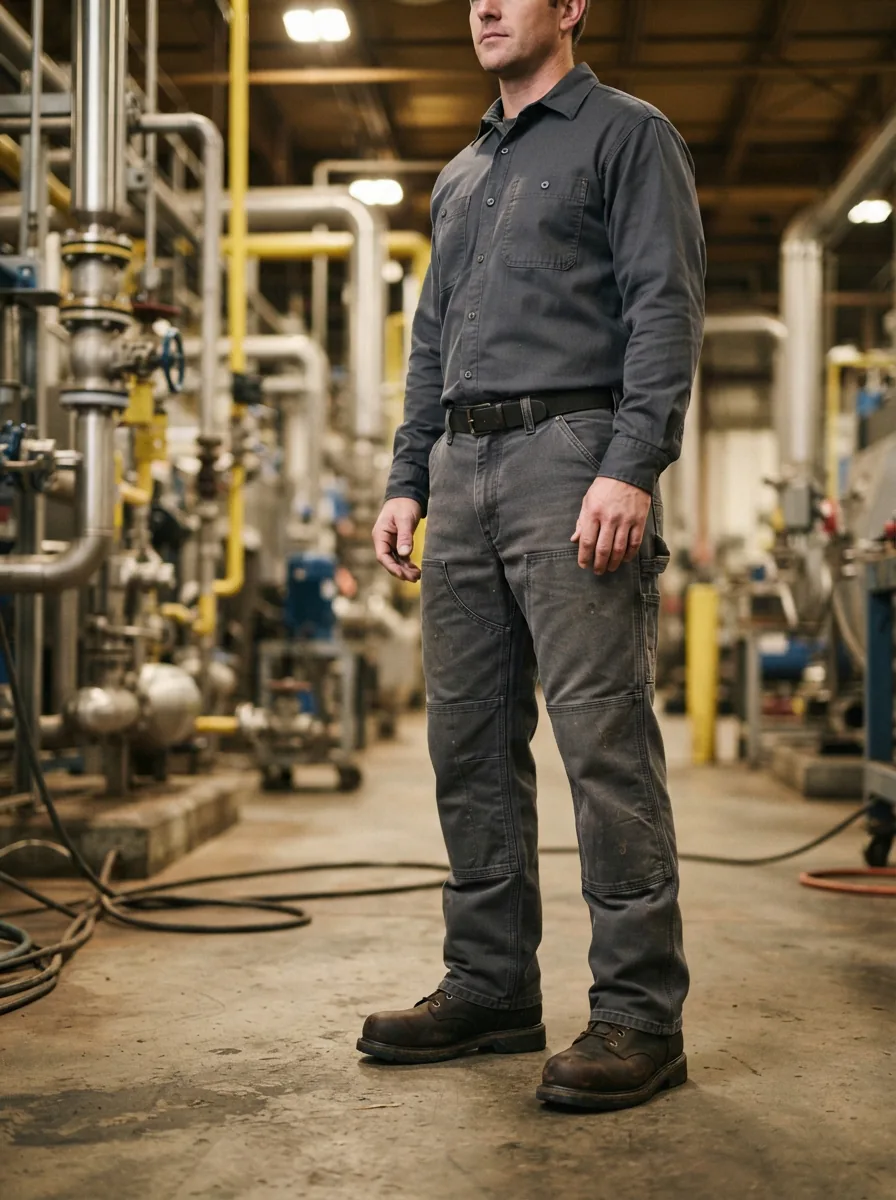
Worker wearing dark flame-resistant work pants on an industrial plant floor

DRIFIRE Pants

Compare DRIFIRE FR pants by protection rating, cut and fabric weight, from daily utility styles through tactical combat and field builds. Each option below suits a different kind of shift.
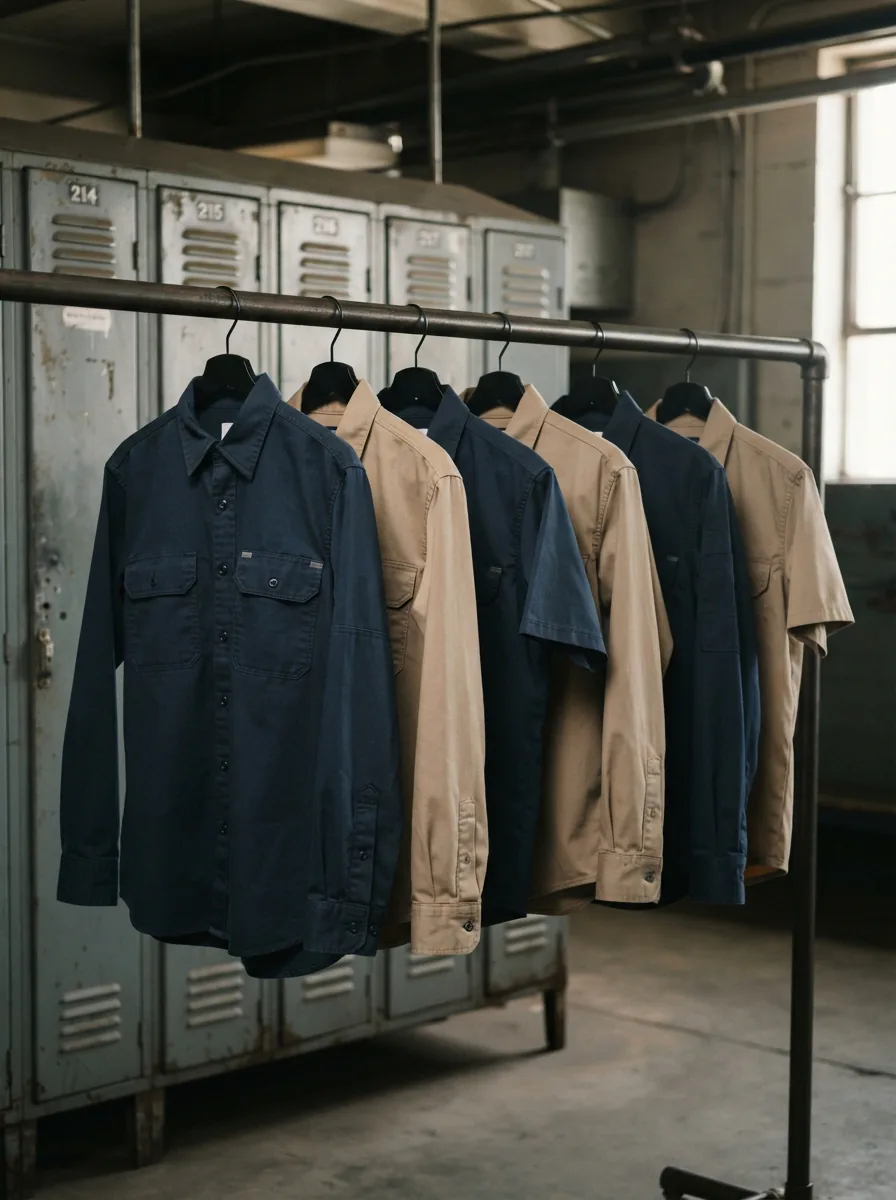
Row of DRIFIRE FR flame resistant work shirts hanging on a steel rail in an industrial locker room

DRIFIRE FR Shirts

This category gathers DRIFIRE FR shirts for industrial and utility work, from lightweight base layers to hi-vis utility shirts. Compare sleeve length, arc rating, weight and certifications to match a shirt to your shift.
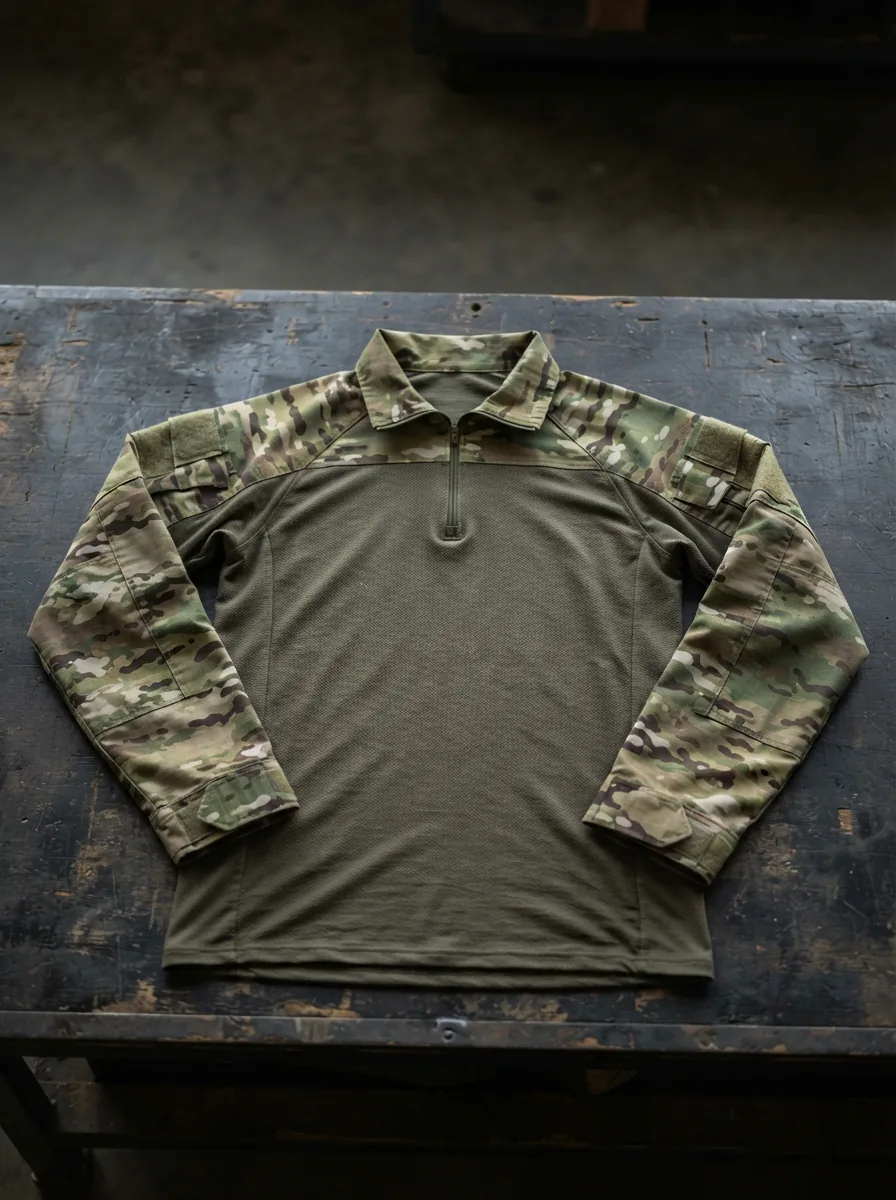
Camouflage FR combat shirt laid flat on a dark workbench

DRIFIRE Combat Shirt

Compare DRIFIRE combat shirts by camouflage pattern, sizing, sleeve cut and FR fabric so you can match the right garment to your mission, uniform allowance or worksite requirement.
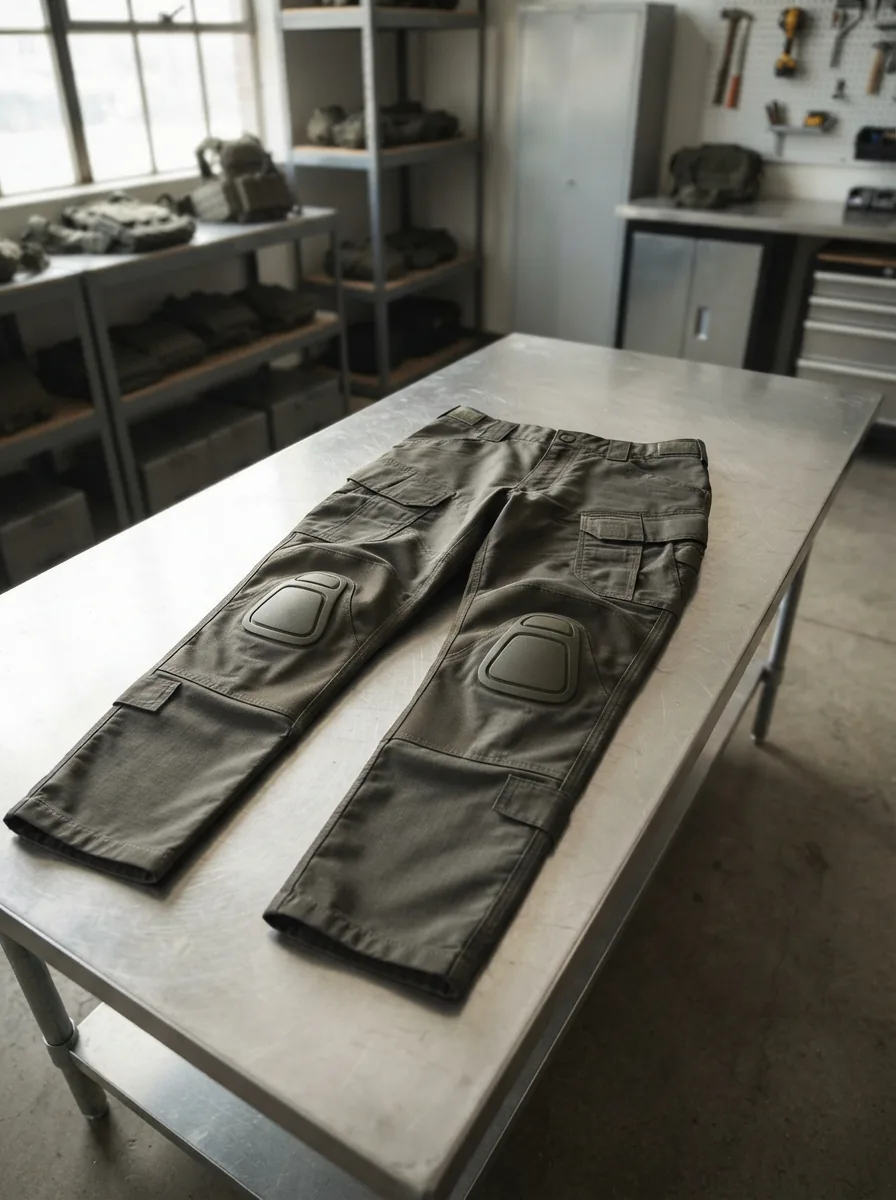
A pair of dark flame-resistant tactical combat pants laid flat on a steel workbench in an industrial gear room

DRIFIRE Combat Pants

This category gathers DRIFIRE combat pants for men and women, from FR tactical and cargo cuts to camo field pairs. Compare protection level, fit, condition and listed price side by side, then narrow the choice to the pant that fits your hazard, your shift and your budget.